Signs of Anxiety in Children: What Parents Need to Know
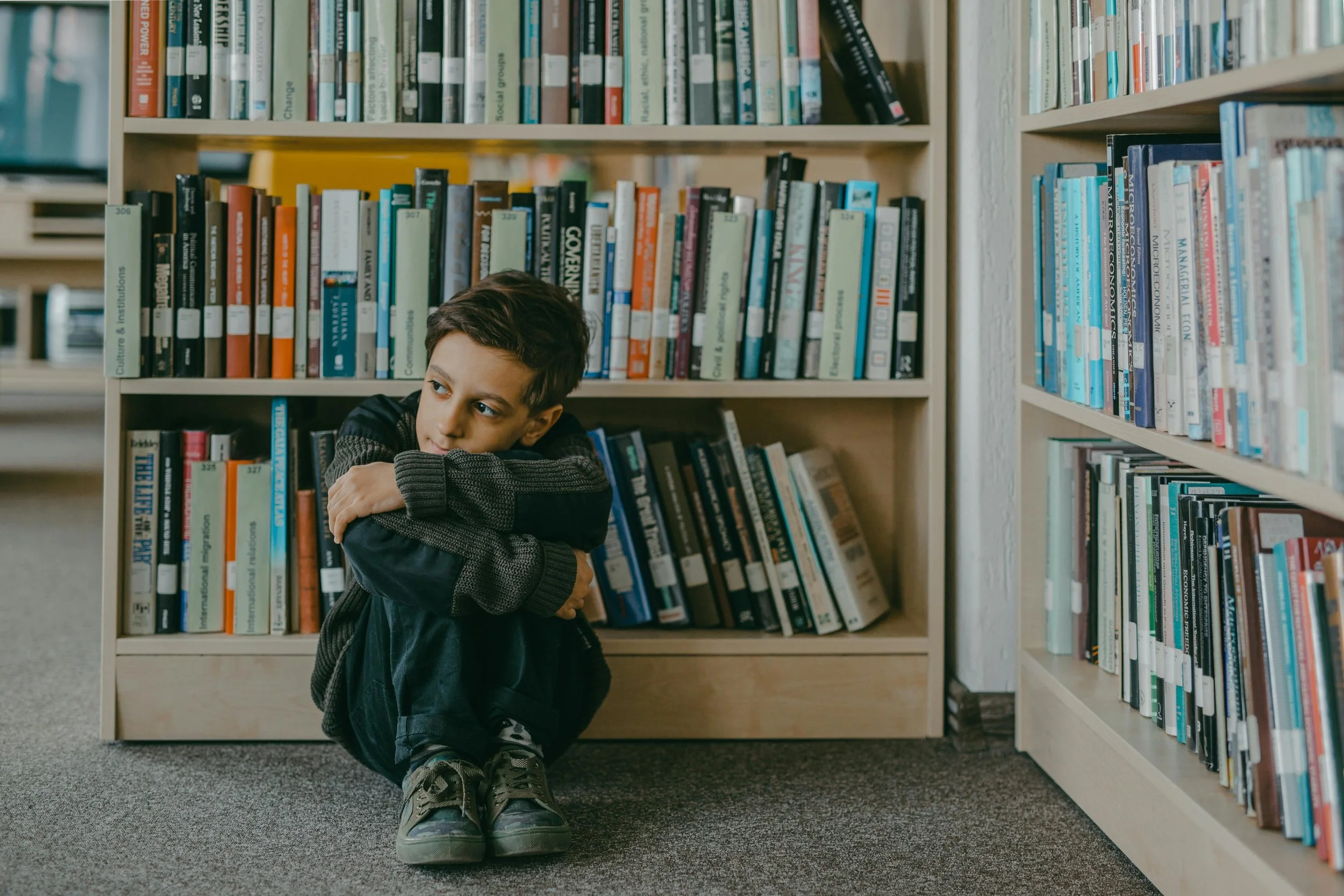
Anxiety in children does not always look like worry. It can show up as stomachaches, headaches, irritability, sleep problems, perfectionism, clinginess, avoidance, trouble focusing, or school refusal. Occasional fear and worry are a normal part of childhood. Anxiety becomes more concerning when symptoms persist, grow more intense, or begin to interfere with school, friendships, sleep, or daily life.
According to the CDC, based on United States data from 2022 to 2023, about 11% of children ages 3 to 17 had a current diagnosed anxiety condition. That means millions of American families are navigating this right now, often without a clear roadmap.
What Anxiety in Children Actually Looks Like
Anxiety is the brain and body's built-in response to a perceived threat, danger, or uncertainty. In children, this response can affect their thoughts, emotions, physical health, and behavior, sometimes all at once.
The challenge for parents is that anxiety rarely announces itself clearly. A child is unlikely to say, "I feel anxious." Instead, you may notice that your child clings to you before school, complains of stomachaches on Sunday evenings, melts down over small mistakes, or refuses to try new activities.
Quiet, cooperative, and high-achieving children can also carry significant anxiety. In fact, many well-behaved kids work hard to hold everything together at school, then fall apart at home. Because their anxiety does not cause obvious disruptions, it can go unnoticed for years.
It is also important to understand that a list of symptoms cannot diagnose an anxiety disorder. Anxiety symptoms overlap with ADHD, depression, learning difficulties, trauma, sleep problems, and other medical conditions. A child may have anxiety alongside one or more of those concerns at the same time. Only a qualified health or mental health professional can assess what is truly going on.
Is This Worry Normal or Something More?
All children experience fear and worry. Some of those fears are completely appropriate for their age and stage of development. A toddler who cries when separated from a parent, a third grader who feels nervous before a big test, or a teenager who dreads a school presentation, these are ordinary experiences.
Normal anxiety tends to be temporary, connected to a specific situation, and manageable once the situation passes.
Anxiety may need professional attention when it:
Lasts for several weeks or months without a clear cause
Becomes more intense rather than fading over time
Shows up across many different settings, not just one
Causes your child significant distress
Leads to repeated avoidance of situations, people, or places
Disrupts sleep or causes physical symptoms on a regular basis
Interferes with school performance, friendships, or family routines
The goal is not to remove every stressful experience from your child's life. Some level of challenge and discomfort is part of healthy development. The concern is when anxiety takes over and your child cannot move forward even with support and encouragement.
Physical Signs of Anxiety in Children That Parents Often Miss
Common Physical Complaints to Watch For
Frequent stomachaches or nausea, especially before school or social events
Headaches that occur on a regular basis without a clear medical cause
Muscle tension, including tight shoulders or jaw clenching
Racing heart or feeling short of breath in stressful moments
Shaking, sweating, or feeling lightheaded during anxious situations
Chronic tiredness that is not explained by poor sleep alone
Changes in appetite, such as skipping meals or overeating when stressed
Trouble falling asleep, staying asleep, or frequent nightmares
Frequent requests to stay home from school or avoid activities
A critical note: physical complaints should not be assumed to be anxiety without ruling out medical causes first. Work with your child's pediatrician to evaluate any ongoing physical symptoms. Once medical causes have been ruled out, emotional and psychological factors may be worth exploring.
Behavioral and Emotional Signs to Recognize
Beyond the body, anxiety in children can show up in a child's behavior and emotional responses. Some of these signs are easier to identify than others.
Avoidance of new situations, social settings, or anything unpredictable
Irritability, meltdowns, or anger that seems out of proportion to the situation
Excessive reassurance-seeking, asking the same questions repeatedly
Difficulty making decisions or extreme fear of making a mistake
Perfectionism or refusing to try things unless they are certain they will succeed
Clinginess or separation anxiety beyond what is typical for the child's age
Withdrawing from friends, activities, or hobbies the child previously enjoyed
Difficulty concentrating or trouble completing work at school or home
School refusal or frequent absences without a clear medical explanation
Anxiety can be mistaken for stubbornness, laziness, defiance, or attention problems. When a child refuses to do something, it is worth asking whether fear or worry might be driving that behavior, rather than a lack of effort or motivation.

Things to Know
Anxiety symptoms in children vary by age. A five-year-old's anxiety often looks very different from a fourteen-year-old's.
Girls are statistically more likely to be diagnosed with anxiety, but boys experience it too, often showing it through irritability or physical complaints rather than visible worry.
A child who seems fine at school may be holding it together there and releasing anxiety at home, so teacher reports alone do not tell the full story.
High-achieving or "gifted" students can carry intense anxiety tied to perfectionism and fear of failure that adults overlook because their grades appear strong.
Not every child with anxiety needs formal testing, medication, or long-term therapy. Some children respond well to targeted support, parent coaching, and skill-building.
Online quizzes and symptom checklists cannot diagnose a child. They can help you recognize patterns worth discussing with a professional.
When to Seek a Professional Evaluation for Your Child
Knowing when to take the next step is one of the hardest parts of parenting through these concerns. You do not need to wait for a crisis. If your child's anxiety symptoms have lasted several weeks, are growing more intense, or are getting in the way of school, friendships, or family life, that is a reasonable time to reach out to a professional.
An evaluation can clarify whether anxiety is present, how significant it is, and whether another condition such as ADHD or a learning difference is also contributing. A thorough report gives you real information to act on, rather than guesswork.
Parents who are unsure whether their child needs testing or therapy often benefit from starting with a consultation to talk through what they are seeing. That conversation alone can help you figure out which direction makes the most sense.
Talk to The Mind Center About What Your Child May Need
If you have been watching your child struggle and wondering whether anxiety, a learning difference, or something else is at the root of it, The Mind Center can help you find answers. The Mind Center serves families in Washington, DC, Maryland, Virginia, and across Florida, including Palm Beach, Broward, and Miami-Dade counties, with clear and thorough evaluations designed around each child's needs. Testing is available virtually and in person, and reports are typically completed about two weeks after testing, with an expedited option available. Call or text The Mind Center at 561-888-0102, or visit themindcenterforkids.com to start a conversation about what your child may need.
Frequently Asked Questions
Q: Can anxiety in children cause physical symptoms like stomachaches or headaches?
Yes, physical symptoms are one of the most common ways anxiety shows up in children, especially in younger kids who cannot yet name their emotions.
The brain and body are closely connected, and chronic worry can trigger real physical discomfort. Stomachaches before school, frequent headaches, and tiredness without explanation are worth discussing with your child's pediatrician first, and then a mental health professional if medical causes are ruled out.
Q: How do I know if my child's worry is normal or a sign of something more serious?
The key difference is whether the worry is temporary and manageable, or persistent, intense, and getting in the way of daily life.
All children worry. The concern rises when the worry lasts for weeks, occurs across many situations, causes significant distress, or leads to ongoing avoidance. If your child's worry is preventing them from going to school, making friends, or sleeping, it is time to consult a professional.
Q: Can anxiety look like anger or bad behavior in kids?
Yes, irritability, meltdowns, and defiant behavior can all be signs of anxiety, especially in children who do not have the words to describe what they are feeling.
When a child snaps, shuts down, or refuses to do something, fear or worry may be driving that response. This is particularly common in boys and in younger children. Looking beyond the surface behavior can reveal what is actually going on underneath.
Q: Could my child have both anxiety and ADHD at the same time?
Yes, anxiety and ADHD frequently occur together, and each condition can make the other more difficult to manage.
Both can cause trouble concentrating, restlessness, and school struggles, which makes them hard to tell apart without a thorough evaluation. A comprehensive assessment can identify which conditions are present and help your family build a support plan that addresses the full picture.
Q: What does a child anxiety evaluation actually involve?
A child anxiety evaluation typically includes a detailed review of the child's history, standardized testing, behavioral rating scales, and a meeting with parents to discuss the results.
At The Mind Center, the process starts with a conversation about your child's needs, followed by testing that may be done virtually or in person. Families receive a clear written report and a feedback meeting to walk through the findings and practical next steps.
The Bottom Line on Anxiety in Children
Anxiety in children is common, often misunderstood, and entirely worth taking seriously. The signs are not always obvious, and the path forward is not always clear, but you do not have to figure it out alone. Recognizing the patterns, understanding what is normal versus what warrants attention, and knowing when to reach out for help are the three most important things you can do as a parent.
If something feels off with your child, trust that instinct. Reach out to a pediatrician, a mental health professional, or an evaluation center like The Mind Center to get a clearer picture of what your child may need and what support is available to your family.
About The Mind Center
At The Mind Center LLC, we specialize in comprehensive psycho-educational evaluations for children, teens, and college students. Our experienced clinicians help families identify learning differences such as ADHD, learning disabilities such as dyslexia, dysgraphia, dyscalculia, as well as autism spectrum disorders and giftedness, while also providing documentation for IEP plans, 504 accommodations, and standardized testing accommodations such as the SAT, LSAT, MCAT and ACT.
With 15+ years of experience and over 1,000 evaluations completed, our team works closely with families and schools to uncover each child’s unique learning profile and provide clear recommendations that help students succeed academically and emotionally.
Areas We Serve
The Mind Center works with families seeking psychoeducational evaluations and ADHD testing across the Washington DC metropolitan area and South Florida. Many parents reach out when their child is struggling in school and they want clear answers about learning differences, attention challenges, or academic accommodations.
Washington DC, Maryland, and Virginia
Washington, DC
Montgomery County, Maryland
Bethesda • Rockville • Potomac • Silver Spring
Prince George’s County, Maryland
Bowie • Upper Marlboro • Greenbelt • Laurel
Arlington County, Virginia
Arlington
Fairfax County, Virginia
McLean • Fairfax • Alexandria
South Florida
Broward County
Fort Lauderdale • Hollywood • Pembroke Pines
Palm Beach County
Boca Raton • West Palm Beach • Palm Beach Gardens
Miami-Dade County
Miami • Coral Gables • Aventura
Services We Provide
Our evaluation services include:
ADHD Testing
Dyslexia Evaluations
Gifted & Talent Assessments
Comprehensive Psychoeducational Evaluations
College Accommodation Evaluations
Independent Educational Evaluations (IEE)
Private School Admission Testing
Learning Disability Assessments
Neuropsychological Evaluations