QbTest for ADHD: What It Measures and What Parents Should Know

QbTest is a computer-based tool that gives clinicians objective information about attention, impulse control, and physical movement during a structured task. It does not diagnose ADHD on its own, but it can add a useful layer of data to a broader evaluation.
If your child has recently been referred for an ADHD evaluation, you may have come across the term QbTest and wondered what it actually involves. This article explains what the test measures, what to expect on the day, how results are used, and what the test cannot tell you. Understanding these details can help you feel more prepared and ask better questions when you meet with a clinician.
What QbTest Actually Measures
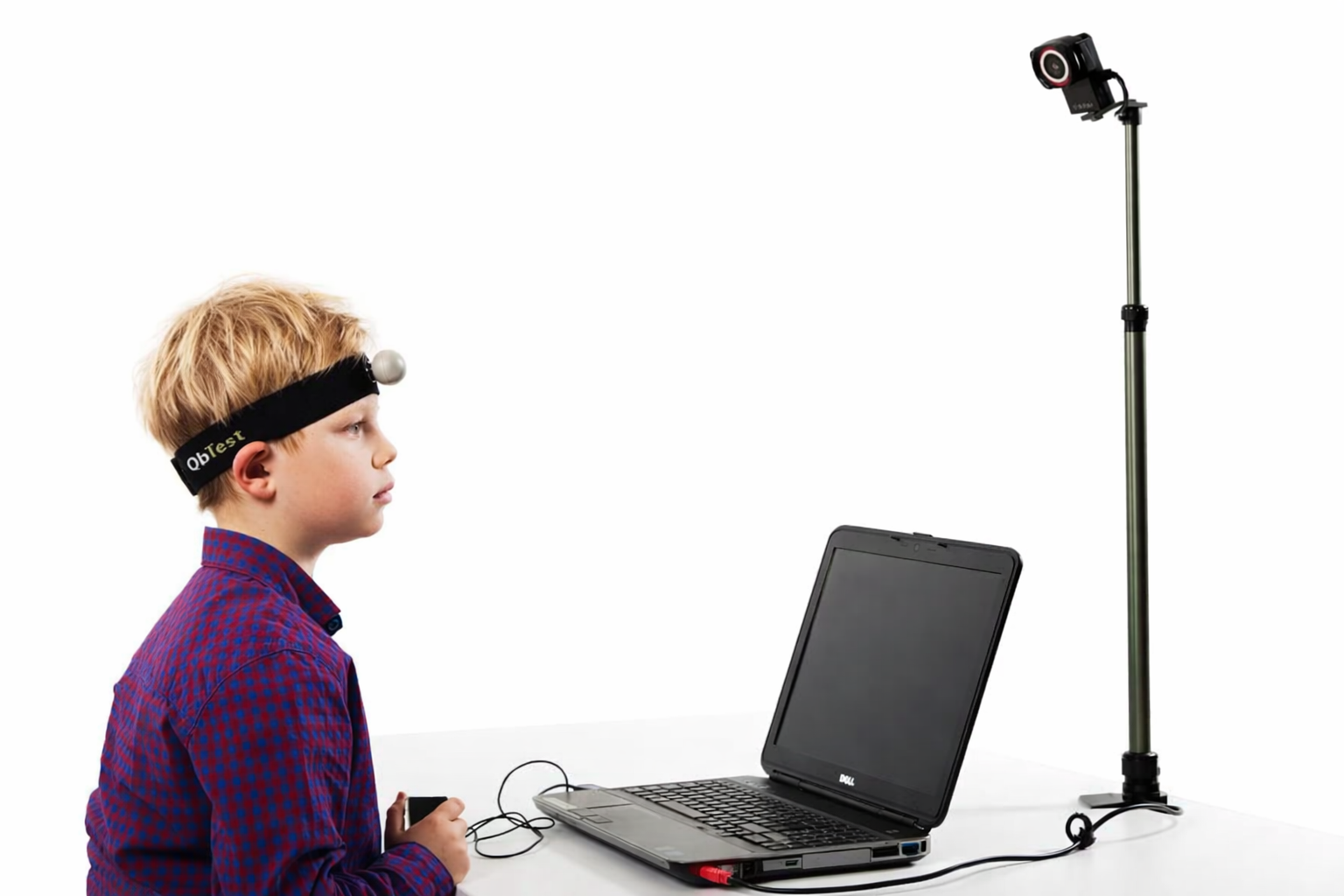
QbTest is developed by a company called Qbtech and is used by clinicians as one part of an ADHD assessment. The test typically takes about 20 minutes. During that time, a child sits at a computer and responds to a simple on-screen task. A small camera-based sensor tracks head movement throughout the session.
The system records three specific areas. The first is attention, which refers to how consistently the child responds to the correct targets during the task. The second is impulse control, which reflects how often the child responds when they should not. The third is activity level, which is captured through the motion-tracking technology and shows how much the child moved while seated.
When the session is finished, the system generates a report that compares the child's results with data collected from people of a similar age and sex assigned at birth. This comparison helps the clinician see whether the child's results fall within a typical range or show a pattern that may be worth investigating further. The report uses visual graphs that can make it easier for parents to understand what was observed.
It is important to be clear about what QbTest is not. It is not an IQ test, an academic achievement test, or a brain scan. It does not measure reading ability, emotional regulation, or social skills. It cannot identify every possible reason why a child may be struggling with focus or behavior. Results must always be interpreted by a trained professional who understands the child's full history and current circumstances.
How QbTest Fits Into a Full ADHD Evaluation
No single test can confirm or rule out ADHD. The American Academy of Pediatrics and the CDC both state that an ADHD diagnosis should be based on a thorough clinical evaluation that draws on multiple sources of information. QbTest is one tool that can contribute to that process, but it is not a standalone answer.
A responsible evaluation typically includes a detailed developmental and medical history, structured clinical interviews with parents and, when appropriate, with the child. It also includes standardized rating forms completed by parents and teachers, a review of school records and prior evaluations, and direct observation or testing. The clinician uses all of these pieces together to form a complete picture.
QbTest can be helpful because it provides an objective, standardized snapshot of how a child performed on a specific attention task on a specific day. Some children perform differently in a quiet clinical setting than they do at home or in a busy classroom. That is one reason why the test results are always considered alongside behavioral reports, school observations, and clinical history rather than in isolation.
Families in the Washington, DC area who are looking for adhd testing washington dc will often find that evaluations include multiple tools and methods rather than relying on any single measure.
Factors That Can Affect QbTest Results
Several things can influence how a child performs on a computerized attention task, and these are important for parents to keep in mind. Tiredness, anxiety, hunger, and how well the child understood the instructions can all affect the results. Motivation and effort on the day also play a role, as does whether a child is currently taking medication that affects attention.
This does not mean the test is unreliable, but it does mean that no single session can capture the full range of a child's attention abilities. A clinician who is experienced in ADHD evaluations will take all of these contextual factors into account when interpreting the data. Before the appointment, your clinician will give you specific preparation instructions. It is important to follow those instructions carefully. If you have questions about whether to adjust your child's medication, sleep routine, or diet before the test, speak with the relevant healthcare professional rather than making changes on your own.
It is also worth knowing that QbTest results do not always separate ADHD from other conditions that can look similar. Anxiety, sleep problems, learning disabilities, and autism spectrum disorder can all affect attention and activity levels. This is one reason why a comprehensive evaluation should assess multiple areas. For families who have concerns that go beyond attention, autism testing washington dc and learning disability testing washington dc may also be worth discussing with your evaluator.
Understanding QbTest Results
After the test is complete, your clinician will review the report as part of the broader evaluation. The results are typically presented as visual graphs that compare your child's performance with their age and sex-matched peer group. The report may show areas where your child's results were similar to their peers and areas where they differed.
If the results show elevated scores in activity, inattention, or impulsivity compared to the reference group, this does not automatically mean your child has ADHD. Similarly, if the results fall within the typical range, that does not rule out ADHD. Some children with ADHD perform within the typical range on computer tasks because they can focus for short periods in structured, one-on-one settings but struggle in group environments or when tasks are less engaging.
This is one of the most important points for parents to understand. QbTest results are one piece of information, not a final verdict. The clinician brings together every source of information available to reach a considered clinical opinion. If your child is also being assessed for academic support needs or accommodations, tools like virtual psychoeducational testing washington dc may be available depending on the nature of the evaluation and your clinician's guidance.
How The Mind Center for Kids Approaches ADHD Evaluations
The Mind Center for Kids provides comprehensive psychoeducational evaluations and ADHD testing for children, teenagers, and adults across Washington, DC, Maryland, Virginia, and South Florida, including Palm Beach, Broward, and Miami-Dade counties. With approximately 15 years of experience and more than 5,000 school-based evaluations completed, the practice brings a thorough, practical approach to every evaluation.
Evaluations at The Mind Center are designed to provide clear findings and useful recommendations that parents, educators, and clinicians can actually apply. Reports are written to be easy to understand rather than filled with clinical jargon. The practice supports families through IEPs, 504 Plans, school interventions, and accommodations at the school and college level. You can review the full range of available services on their website to understand what may be right for your child.
Frequently Asked Questions
Q: How accurate is a QB test for ADHD?
QbTest provides useful, objective data about attention, impulse control, and movement, but it is not perfectly accurate on its own and should always be interpreted alongside other evaluation information.
No computerized test can diagnose ADHD with complete certainty. QbTest performs well as a standardized measurement tool when it is used correctly, but factors such as anxiety, tiredness, and effort on the day can affect results. Clinicians treat QbTest as one valuable piece of evidence within a broader evaluation rather than a standalone answer.
Q: Can you pass a QB test and still have ADHD?
Yes, a child can perform within the typical range on QbTest and still receive an ADHD diagnosis based on the full evaluation.
Some children with ADHD are able to sustain attention during a short, structured, one-on-one computer task because the format is very different from a busy classroom or a longer, less engaging activity. ADHD symptoms often appear inconsistently across settings. This is precisely why clinicians rely on teacher reports, parent interviews, school records, and clinical history in addition to computerized testing.
Q: How to pass a QB test for ADHD?
You should not try to pass or fail QbTest in any particular direction, because the goal of the test is to give your clinician an accurate picture of how your child actually performs.
Attempting to influence the results, whether by trying to perform better or worse than usual, reduces the usefulness of the data and can make it harder for the clinician to understand your child's real needs. The most helpful preparation is to follow your clinician's specific instructions beforehand, make sure your child is rested, and explain the process to them in calm, simple terms so they feel comfortable on the day.
Q: Is the QB test covered by insurance?
Coverage for QbTest varies depending on your insurance plan, the billing codes used, and whether the evaluating provider is in-network.
Insurance coverage for psychological and psychoeducational evaluations, including any computerized tools used within them, is not guaranteed. Some plans cover portions of an ADHD evaluation while others do not. It is always best to contact your insurance provider directly before the evaluation to ask about your specific benefits, deductibles, and out-of-pocket costs. The practice conducting the evaluation can also help clarify what is typically billed and what documentation may support a coverage request.
Q: How long does a QB test take?
The QbTest itself typically takes about 20 minutes to complete.
The actual testing session is brief and involves your child sitting at a computer and responding to a structured on-screen task while a camera-based sensor tracks movement. However, the QbTest is just one component of a full ADHD evaluation, which will also include interviews, rating forms, history review, and possibly other assessments. The complete evaluation process takes considerably longer than the 20-minute task itself, and your clinician will explain the full timeline when you schedule.
The Bottom Line on QbTest for ADHD
QbTest for ADHD is a structured, computer-based tool that gives clinicians objective information about three core areas: attention, impulse control, and movement. When it is used as part of a comprehensive evaluation, it can add meaningful data that supports clinical decision-making. It is not a diagnosis, not a pass/fail test, and not a replacement for the interviews, rating forms, school input, and clinical judgment that make up a thorough ADHD assessment.
If you have concerns about your child's attention, activity level, or behavior at home or school, the right next step is to speak with a qualified professional who can assess the full picture. The Mind Center for Kids provides comprehensive ADHD evaluations and psychoeducational testing for children, teenagers, and adults across Washington, DC, Maryland, Virginia, and South Florida, including Palm Beach, Broward, and Miami-Dade counties. Call or text (561) 888-0102, or visit themindcenterforkids.com to request an evaluation or ask a question about the process.