Mindfulness Activities for Kids: Simple Exercises That Actually Work
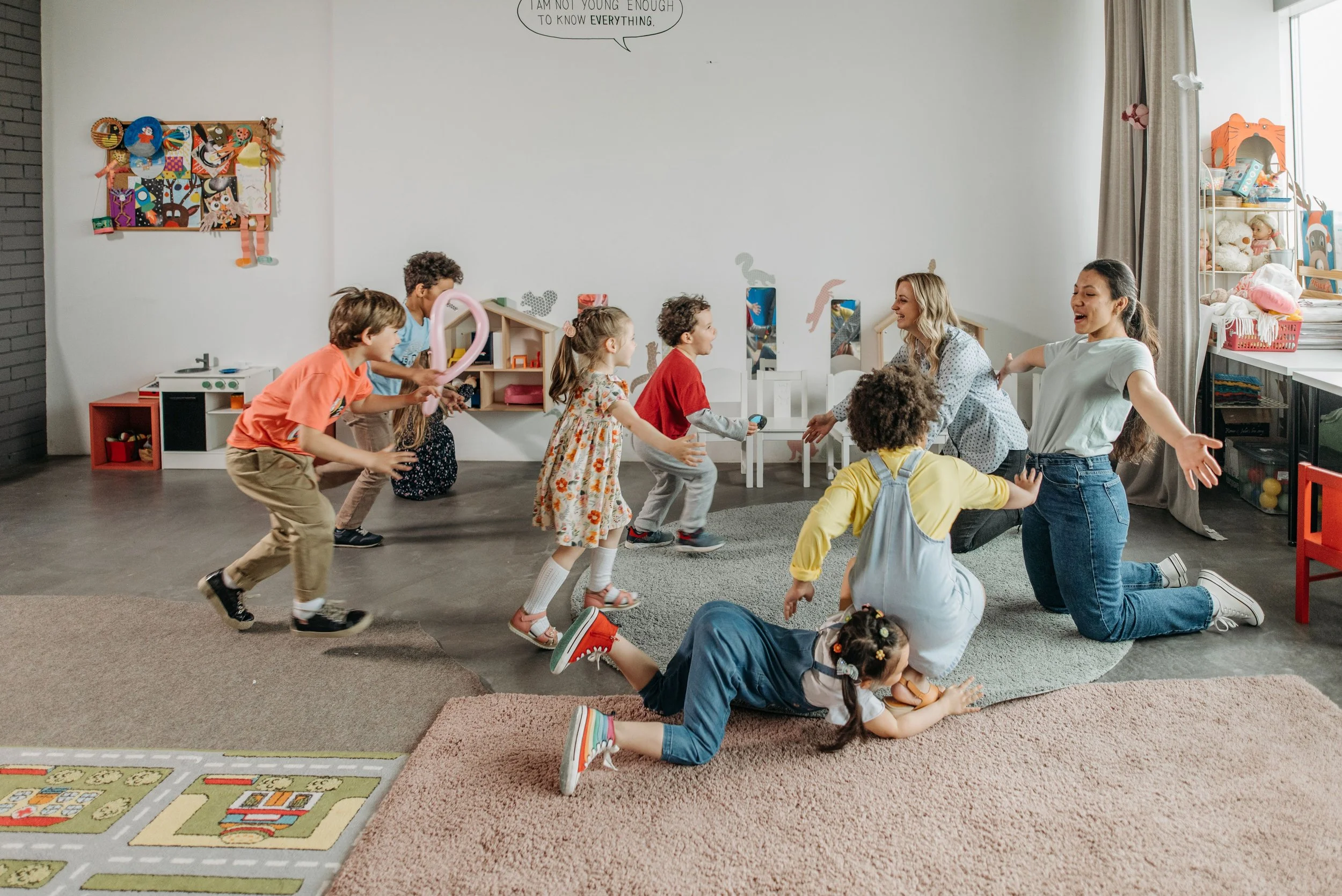
Mindfulness activities for kids help children slow down, notice what they are feeling, and choose how to respond. They do not require expensive tools, special training, or long practice sessions.
Mindfulness means paying attention to what is happening right now. A child might notice their breathing, their feelings, their body, or their surroundings, without judging whether the experience is good or bad. That is the whole idea. It is simple, and it works best when it fits naturally into everyday life.
Before jumping into the activities, it helps to clear up a few common misunderstandings. Mindfulness does not mean children have to sit completely still. It does not mean they must stop thinking or ignore difficult feelings. Children do not need to be calm all the time, and they do not need to practice for long periods. The goal is to help a child pause, notice what they are experiencing, and then decide what to do next.
Mindfulness may support awareness, coping, and calm moments for many children. However, research results vary, and mindfulness is not a cure for anxiety, ADHD, depression, or trauma. It also does not replace therapy, medical care, or a professional evaluation. Think of it as one helpful tool among many.
Why Mindfulness Matters for Children
Children today face a lot. School pressure, social stress, big emotions, and overstimulating environments can leave kids feeling overwhelmed and unsure of how to cope. Adults often reach for distractions or quick fixes, and children tend to do the same.
Mindfulness offers something different. Instead of pushing difficult feelings away, it teaches children to notice them without panic. Over time, that skill can help a child feel more in control, even when life feels messy.
It is also worth knowing that mindfulness is not one-size-fits-all. Some children take to breathing exercises right away. Others need movement-based activities before they can settle. A few may resist at first, and that is okay. The best approach is to stay flexible and keep the activities short and low-pressure.
If your child is struggling with attention, strong emotions, or school stress that goes beyond what simple exercises can address, it may be worth looking into professional support. The services available at The Mind Center for Kids include therapy, ADHD coaching, and psychoeducational evaluations for children and teenagers.
Breathing Exercises for Children That Are Easy to Learn
Breathing is one of the most accessible mindfulness tools because it works anywhere and requires nothing but a body. Here are a few approaches that children tend to enjoy.
Belly breathing is a great starting point. Ask your child to place one hand on their chest and one on their belly. Have them breathe in slowly through the nose and watch which hand rises. When the belly hand rises, they are breathing deeply. This simple technique helps activate the body's natural calming response.
Box breathing adds a rhythm that older children and teens often find satisfying. They breathe in for four counts, hold for four, breathe out for four, and hold again for four. It creates a mental focus point along with the physical benefit.
For younger children, try finger breathing. They trace up one side of a finger as they breathe in and down the other side as they breathe out, then move to the next finger. By the time they finish one hand, most kids have started to settle.
These exercises are particularly useful before tests, during transitions between activities, or after a frustrating moment. Keep sessions to two or three minutes at most when you are first starting out.
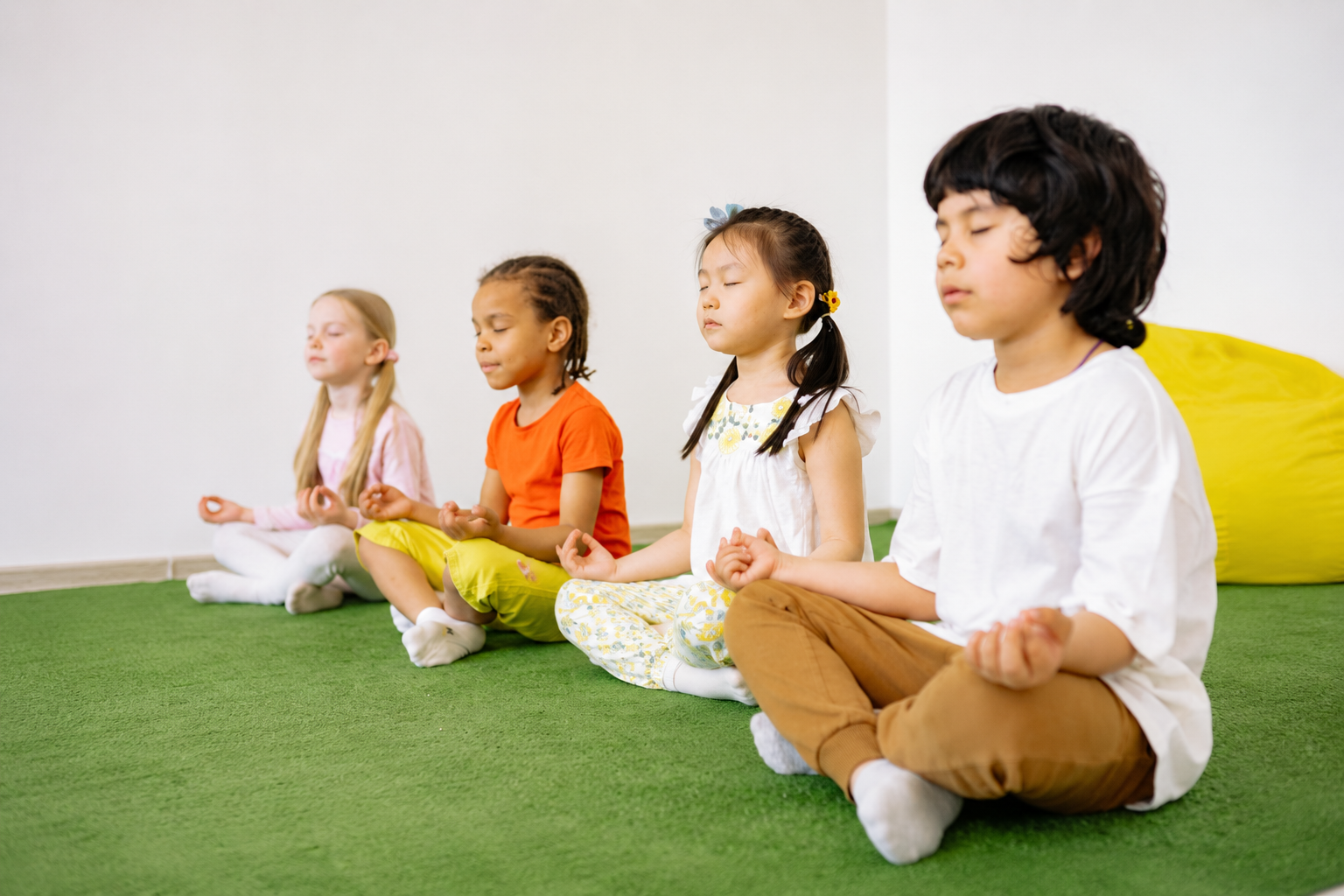
Mindfulness Activities for Kids That Use Movement and the Senses
Not every child wants to sit still, and not every child should have to. Some of the most effective mindfulness exercises for kids involve the body and the five senses.
The 5-4-3-2-1 grounding exercise is one of the most popular tools used by therapists, school counselors, and parents alike. Ask your child to name five things they can see, four they can touch, three they can hear, two they can smell, and one they can taste. It pulls attention into the present moment and works well during moments of stress or anxiety.
Mindful walking is another easy option. On a short walk, ask your child to notice things they would not normally pay attention to, the sound of leaves under their feet, the way the air smells after rain, or how their arms swing naturally as they move. No screens, no earbuds, just attention on the walk itself.
Body scan exercises help children connect with physical sensations. Starting from their toes and moving up to the top of their head, they simply notice how each part of their body feels, warm or cool, tight or loose, heavy or light. This works well as a wind-down activity before bed and takes about five minutes.
Mindful drawing or coloring invites creativity alongside awareness. Give your child a blank page and ask them to draw what they are feeling, or simply provide a coloring sheet and encourage them to focus on the colors and the movement of the pencil. This is not about making art. It is about staying present.
For children who are drawn to nature, mindful time outdoors is one of the most natural fits. Even five minutes in a backyard or park, paying attention to what they see and hear, can create a meaningful pause in a busy day.
Using Mindfulness in the Classroom and at Home
Teachers and parents often ask how to make mindfulness a regular part of daily life without it feeling forced or clinical. The answer is to keep it small, consistent, and connected to moments that already happen.
At home, you might try one breathing exercise before homework, a short body scan before bed, or a quiet minute together after school before the afternoon gets busy. The goal is not a perfect mindfulness routine. It is a small habit that gives your child a moment to reset.
In the classroom, many teachers build mindfulness into transitions. A two-minute breathing exercise before a test, a grounding check-in after recess, or a quiet minute at the start of the day can all help students settle and focus. These short practices are particularly useful for children who struggle with shifts between activities.
If your child has attention difficulties and you are wondering whether they might benefit from a formal evaluation, adhd testing washington dc is available through The Mind Center for Kids, which has completed more than 5,000 school-based evaluations over approximately 15 years.
For children who may have developmental differences, autism testing washington dc provides a pathway to understanding how a child experiences the world, which in turn can help you choose the right type of support and activities.
When Mindfulness Is Not Enough
Mindfulness exercises are a useful starting point, but they are not the right answer for every child in every situation. Some children experience difficulties that go beyond what a breathing exercise or grounding activity can address.
If your child regularly struggles with focus, impulsive behavior, emotional regulation, reading, writing, or social interactions, those patterns may point to something that warrants a closer look. Understanding the root of those challenges is the first step to getting the right support in place.
Families who have questions about a child's learning or attention can explore learning disability testing washington dc to understand what might be contributing to difficulties in school. For teenagers and young adults preparing for higher education, college testing washington dc provides documentation for standardized testing accommodations and college support plans.
For families who cannot easily access in-person services, virtual psychoeducational testing washington dc is available for certain evaluation types and can make the process more accessible for busy or remote families.
The Mind Center for Kids supports children, teenagers, parents, and schools through therapy, ADHD coaching, psychoeducational evaluations, and school-based assessments. Services are available to families in Washington, DC, Maryland, Virginia, including Northern Virginia, and South Florida, covering Palm Beach, Broward, and Miami-Dade counties. Evaluations produce clear, easy-to-understand reports with practical recommendations that parents and educators can actually use.
Making Mindfulness a Natural Part of Your Child's Day
The most effective mindfulness practices are the ones that feel normal, not like homework. When you introduce activities without pressure, explain them in simple terms, and model them yourself, children are far more likely to give them a genuine try.
Start with one activity at a time. See what resonates. Belly breathing might click right away. The 5-4-3-2-1 exercise might become a go-to during stressful moments. Mindful walks might turn into a family ritual on weekends. There is no single right path.
What matters most is that your child learns they have tools they can reach for when things feel hard. That sense of agency, the ability to pause and choose a response, is one of the most valuable skills a child can develop, and mindfulness exercises are one way to start building it.
Mindfulness activities for kids work best when they are consistent, age-appropriate, and met with patience. You do not need to be an expert. You just need to show up alongside your child and give it a try together.
If stress, anxiety, attention difficulties, or strong emotions continue to affect your child at home or at school, The Mind Center for Kids is here to help. You can call or text (561) 888-0102 or visit themindcenterforkids.com to learn more and get in touch.
Frequently Asked Questions
Q: What are some fun mindfulness activities?
Fun mindfulness activities include belly breathing, finger breathing, mindful drawing, sensory walks, and the 5-4-3-2-1 grounding exercise.
Children tend to engage more when activities feel like a game rather than a lesson. Finger breathing, where a child traces each finger while breathing in and out, is a favorite for younger kids. Sensory walks and mindful coloring are also approachable for children who need movement or creativity to stay engaged. The key is matching the activity to your child's personality and energy level rather than following a rigid script.
Q: What are some five-minute mindfulness activities I can do with students?
Box breathing, a short body scan, and the 5-4-3-2-1 grounding exercise each take five minutes or less and work well in a classroom setting.
Box breathing asks students to inhale for four counts, hold for four, exhale for four, and hold again for four. A brief body scan can be led verbally, starting at the feet and moving upward, asking students to simply notice how each area of the body feels. These activities work particularly well at the start of the day, before a test, or after a transition like recess. They require no materials and can be done from a chair.
Q: How do I teach my child mindfulness?
Start by explaining mindfulness in simple words, practicing alongside your child, and keeping sessions short and pressure-free.
Tell your child that mindfulness means paying attention to what is happening right now, without deciding if it is good or bad. Then try one activity together, such as belly breathing or a short walk where you both notice things around you. Children learn more from watching than from being told what to do, so your own calm presence during the practice matters as much as the activity itself. Repeat the same activity a few times before introducing something new so it starts to feel familiar.
Q: What are three mindfulness activities?
Three accessible mindfulness activities are belly breathing, the 5-4-3-2-1 grounding exercise, and mindful walking.
Belly breathing teaches children to take slow, deep breaths by focusing on the rise and fall of their belly. The 5-4-3-2-1 exercise anchors attention in the present by naming things a child can see, hear, touch, smell, and taste. Mindful walking invites children to notice their surroundings in detail rather than rushing through a walk on autopilot. Each of these can be used at home or in school and adapted for different ages.
Q: What are some easy mindfulness activities for kids with ADHD?
Movement-based and sensory activities tend to work best for children with ADHD, including mindful walking, finger breathing, and the 5-4-3-2-1 grounding exercise.
Children with ADHD often find it harder to sit still for traditional breathing exercises, so activities that involve the body or the senses are usually a better fit. Short sessions of two to three minutes are more effective than longer ones. It also helps to use the same activity consistently so the routine itself becomes a cue to slow down. If attention difficulties are significantly affecting your child's daily life, it may be worth exploring a formal evaluation. The Mind Center for Kids offers adhd testing washington dc for children and teenagers, with clear findings and practical recommendations families can act on.
The Bottom Line on Mindfulness Activities for Kids
Mindfulness activities for kids are one of the most accessible tools available to parents and educators. They cost nothing, they can be done anywhere, and they give children a skill they can carry with them long after the activity ends. The breathing exercises, grounding techniques, and sensory practices covered in this article are a solid starting point for any family or classroom looking to build more calm and awareness into daily life.
That said, mindfulness is a support, not a solution for every challenge a child faces. If stress, anxiety, attention difficulties, or strong emotions continue to affect your child at home or at school, that is worth paying attention to. Some children benefit from a deeper level of support, whether that is therapy, coaching, or a comprehensive evaluation to understand what is driving their difficulties.
The Mind Center for Kids is available to help families take that next step. You can call or text (561) 888-0102 or visit themindcenterforkids.com to reach the team, ask questions, or schedule a consultation.