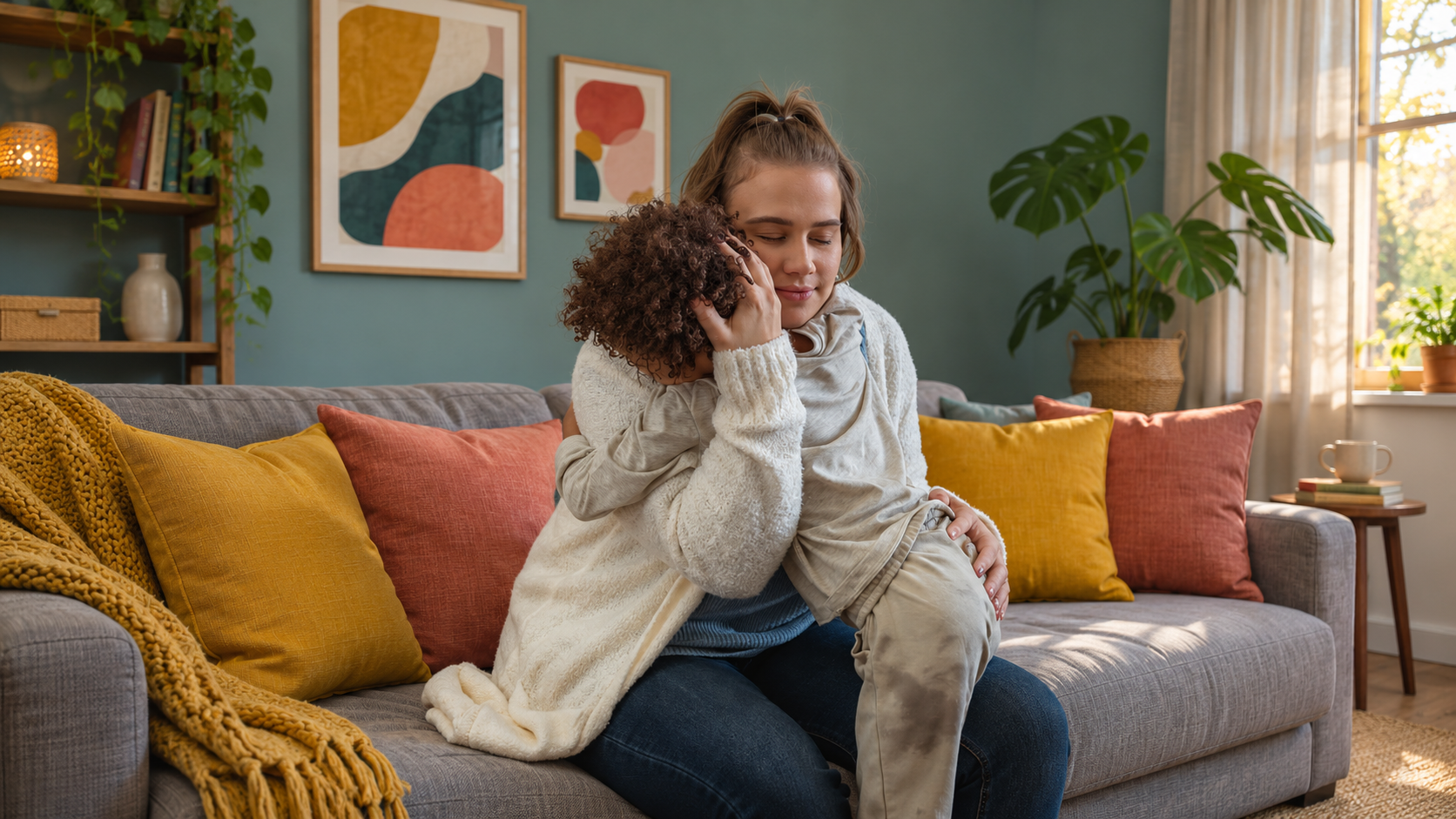
Traumatic stress in children refers to the emotional and physical reactions that follow a frightening or dangerous experience and continue to disrupt a child's everyday life. Not every child who goes through a scary event will develop lasting difficulties, and traumatic stress is not the same as a formal PTSD diagnosis, which requires a professional assessment.
Children experience the world differently than adults. A situation that feels manageable to a grown-up may genuinely overwhelm a child's developing nervous system. That difference matters a great deal when you're trying to figure out whether what you're seeing in your child is a normal adjustment reaction or something that needs outside support.
Experiences That May Contribute to Traumatic Stress
Not every upsetting event causes traumatic stress. The experiences most likely to contribute include serious accidents, physical or sexual abuse, domestic violence, natural disasters, community violence, sudden loss of a loved one, or frightening medical procedures. What matters is not just the event itself but how threatening it felt to the child, whether they were alone or supported, and whether the danger felt ongoing.
A child who witnesses violence in their neighborhood and returns home to feel unsafe faces a different level of ongoing stress than a child who had a frightening but brief medical procedure with a supportive family present. Both deserve attention. The pattern I keep seeing in clinical contexts is that caregivers underestimate how much witnessing distress, even indirectly, can affect a young child's sense of safety.
It is also worth being careful with language. Labeling every hard moment as trauma can dilute the word and lead to confusion. Disappointment, conflict, and even grief are painful, but they sit on a different part of the spectrum from experiences that genuinely threaten a child's physical safety or sense of survival.
Common Signs of Traumatic Stress in Children
Children communicate distress through behavior far more often than through words. Younger children, roughly preschool through early elementary, may return to behaviors they had already outgrown. Bedwetting, thumb-sucking, clinginess, and separation anxiety are common. Sleep becomes difficult. Nightmares appear. Play may replay frightening scenarios in ways that seem compulsive rather than joyful.
Older children and teenagers tend to show different patterns. Watch for a drop in school performance, withdrawal from friends, irritability that seems out of proportion, physical complaints like stomachaches or headaches with no clear medical cause, and avoidance of places, people, or activities that remind them of what happened. Some kids go quiet and numb. Others become hyperactive or aggressive.
What these signs can and cannot tell you is an important point. Behavioral changes are clues, not proof of a specific diagnosis or cause. ADHD, anxiety disorders, learning differences, and medical conditions can all produce overlapping signs. If you notice a cluster of these changes after a frightening event, that timing is significant, but a professional evaluation is what actually sorts out what is driving them.
How Traumatic Stress Affects Daily Life
Reminders of a frightening experience, called triggers, can bring distress flooding back without warning. A particular smell, a siren, a specific location, or even a date on the calendar can set off a physical fear response in a child who appears otherwise settled. This is not a behavior problem. It is the nervous system doing exactly what it was designed to do, just at the wrong time.
In practice, this plays out in ways that can look baffling to adults around the child. A child might melt down in the school cafeteria because the noise level feels unsafe, refuse to ride in a car after an accident without anyone understanding why, or become inconsolable near the anniversary of a loss. These reactions disrupt friendships, classroom performance, and family routines.
Learning takes a real hit too. The parts of the brain responsible for memory, attention, and language processing are closely connected to the stress response. A child carrying unresolved traumatic stress has fewer internal resources available for absorbing new information, following multi-step instructions, or sitting still long enough to complete an assignment. Teachers often describe these children as distracted, defiant, or shut down, without realizing fear is the underlying driver.
For families considering a fuller picture of how a child is functioning academically and emotionally, virtual psychoeducational testing washington dc is one option available through The Mind Center for Kids for families in the DC area who cannot easily attend in person.

Ways Parents Can Help at Home
The most powerful thing you can offer a child after a frightening experience is a consistent sense of safety. That does not mean pretending nothing happened. It means showing up predictably, keeping daily routines as stable as possible, and responding to distress with calm rather than alarm.
Listen without pressure. If your child wants to talk, follow their lead. Ask open questions and let silence be okay. What usually trips parents up here is the urge to explain, reassure, or fix too quickly. Sometimes a child needs to feel heard before they can feel safe. Avoid promises you cannot keep, specifically avoid saying "nothing bad will ever happen to you again." Children who have already experienced something frightening are unlikely to believe that promise, and when it fails them, trust breaks down further.
Limit repeated exposure to news coverage, social media content, or conversations that replay the event. After community disasters or school-related incidents, well-meaning adults sometimes keep the television on or discuss details in front of children, not realizing that re-exposure adds to the stress load rather than relieving it.
Small choices matter more than parents expect. Letting a child pick their dinner, choose which book to read at bedtime, or decide the route for an afternoon walk gradually rebuilds the sense of control that trauma erodes.
Support at School
Teachers and school counselors play a real role in a child's recovery, but that role works best when it respects the child's privacy. Parents do not need to share every detail of what happened. A short conversation with a teacher, something like "our family has been going through something difficult and Marcus may need extra check-ins or a quiet break this week," is usually enough to open the door without oversharing.
Practical supports that help include a consistent daily schedule, a trusted adult the child can go to when feeling overwhelmed, brief sensory breaks built into the day, and reduced pressure on timed assessments during particularly hard periods. Clear, predictable expectations provide the structure that a stressed nervous system is looking for.
Parents and teachers communicating regularly, even briefly, helps everyone catch signs of worsening distress earlier. The Mind Center for Kids offers a range of services for children dealing with emotional and behavioral difficulties, including therapy and school-based support, which can bridge what families and educators are navigating together.
When to Seek Professional Support
There is no mandatory waiting period before asking for help. If your child's reactions are intense, lasting longer than a few weeks, worsening rather than improving, or significantly disrupting sleep, school, or relationships, those are reasons to reach out now rather than waiting to see.
A clinician working with a child after a frightening experience will consider the nature of what happened, the child's developmental stage, their current safety, and how much the symptoms are affecting daily functioning. One approach with strong research support is trauma-focused cognitive behavioral therapy (TF-CBT), which helps children build coping skills and work through traumatic memories with a trained therapist. Safe, supportive parental involvement is typically part of that process.
Not every child who experiences traumatic stress needs comprehensive psychological testing. But when behavioral and academic difficulties are complex, overlapping, or resistant to initial support, an evaluation can clarify what is driving what and lead to more targeted recommendations.
The Mind Center for Kids serves families in Washington, DC, Maryland, Virginia (including Northern Virginia), and South Florida across Palm Beach, Broward, and Miami-Dade counties. Virtual therapy is available in appropriate situations.
Frequently Asked Questions
Q: How can I support my child who has experienced trauma?
Start with safety, routine, and calm presence before anything else.
Children recover more effectively when they feel physically safe and emotionally supported by a consistent caregiver. Keep daily routines predictable, follow your child's lead when they want to talk, and avoid pressuring them to retell what happened. If reactions are intense or lasting, connecting with a therapist trained in childhood trauma, such as one who uses trauma-focused cognitive behavioral therapy, gives your child structured support beyond what home alone can provide.
Q: What is the most damaging childhood trauma?
Repeated trauma within a close relationship, often called relational or complex trauma, tends to carry the heaviest long-term burden.
Experiences like ongoing abuse, neglect, or exposure to domestic violence are particularly disruptive because they occur within the relationships a child depends on for safety. This creates a painful conflict between the need for closeness and the association of that closeness with fear. A single frightening event, such as an accident or a natural disaster, can cause significant distress, but repeated interpersonal trauma during early development tends to affect attachment, emotional regulation, and sense of self more broadly.
Q: How can you tell if a child is traumatized?
There is no single sign, but a cluster of behavioral and emotional changes following a frightening experience is a meaningful signal worth taking seriously.
Common indicators include sleep problems, nightmares, clinginess, irritability, withdrawal from activities they used to enjoy, physical complaints without a clear medical cause, and avoidance of people or places connected to the event. Younger children may regress to earlier behaviors like bedwetting or thumb-sucking. Older children may show declining school performance or pull away from friends. Keep in mind that similar signs can appear with anxiety, ADHD, grief, or other concerns, so a professional assessment is the most reliable way to understand what is driving the changes you are seeing.
Q: What are the signs and symptoms of PTSD in a 5-year-old child?
In a 5-year-old, PTSD often looks like repetitive trauma-themed play, nightmares, clinginess, emotional outbursts, and physical complaints rather than the verbal reporting you might expect from an older child.
Young children cannot always name or describe what they are feeling, so distress surfaces through behavior. A 5-year-old with post-traumatic stress may re-enact scary scenarios during play, become intensely upset by reminders of the event, have trouble separating from caregivers, startle easily at loud sounds, and show regression in skills like toileting or speech. Because these signs overlap with normal developmental variation and other early childhood concerns, a clinician experienced in early childhood assessment is best positioned to evaluate what is happening and recommend next steps.
Q: At what age is trauma most impactful?
The earliest years of life, roughly birth through age 5, carry the greatest vulnerability because the brain is developing most rapidly during that period.
During early childhood, the architecture of the stress response system is still being built. Prolonged or severe stress during this window can shape how that system develops, affecting emotional regulation, attention, and relationships well beyond early childhood. That said, trauma at any age carries real weight, and older children and adolescents are not immune to serious effects. The key variables are not only age but also the nature and duration of the experience, the child's existing support, and whether safe and responsive caregiving is consistently available during and after the event.
The Bottom Line on Traumatic Stress in Children
Recognizing traumatic stress in children early gives families and schools the best chance to offer support before distress becomes entrenched. Behavioral changes after a frightening event are worth taking seriously, without overreacting or catastrophizing.
If a frightening experience is affecting your child's sleep, schoolwork, relationships, or daily routines, contact The Mind Center for Kids to schedule a consultation and discuss an appropriate next step. You can also reach them directly by phone or text at (561) 888-0102.