How to Recognize the Quiet Signs of ADHD in Children

One morning in class, a teacher gives simple instructions for a group activity. Most students jump right in, but one child just sits there, staring at the paper. They seem calm, even polite, but they don’t start the task. Minutes pass before they begin, and soon they’ve lost track again. It is not that they don’t care or don’t understand. Something else is getting in the way.
This kind of moment happens more often than we think. Some children who seem quiet or well-behaved may actually be struggling to stay focused. Their challenges are easy to miss because they don’t cause disruptions.
A recent case study by Qbtech showed how a student with these quiet patterns was later found to have ADHD that had gone unnoticed for years.
WHY SOME ADHD CASES ARE HARD TO SPOT
Many people picture ADHD as constant movement, impulsive behavior, or difficulty staying seated. While those behaviors can occur, ADHD does not always appear that way.
Some children with ADHD are quiet and well behaved. Instead of disrupting the classroom, they may appear thoughtful or reserved. Their attention simply drifts more easily than others.
Because they are not disruptive, their struggles can remain hidden for years.
In one Qbtech case example, teachers initially believed a student was simply shy or distracted. Traditional observation and checklists did not clearly indicate ADHD. However, when the student completed an objective attention assessment, the results showed a consistent pattern of attention difficulty that had not been visible in the classroom.
Technology helped reveal what everyday observation had missed.
WHAT ATTENTION PATTERNS MAY LOOK LIKE
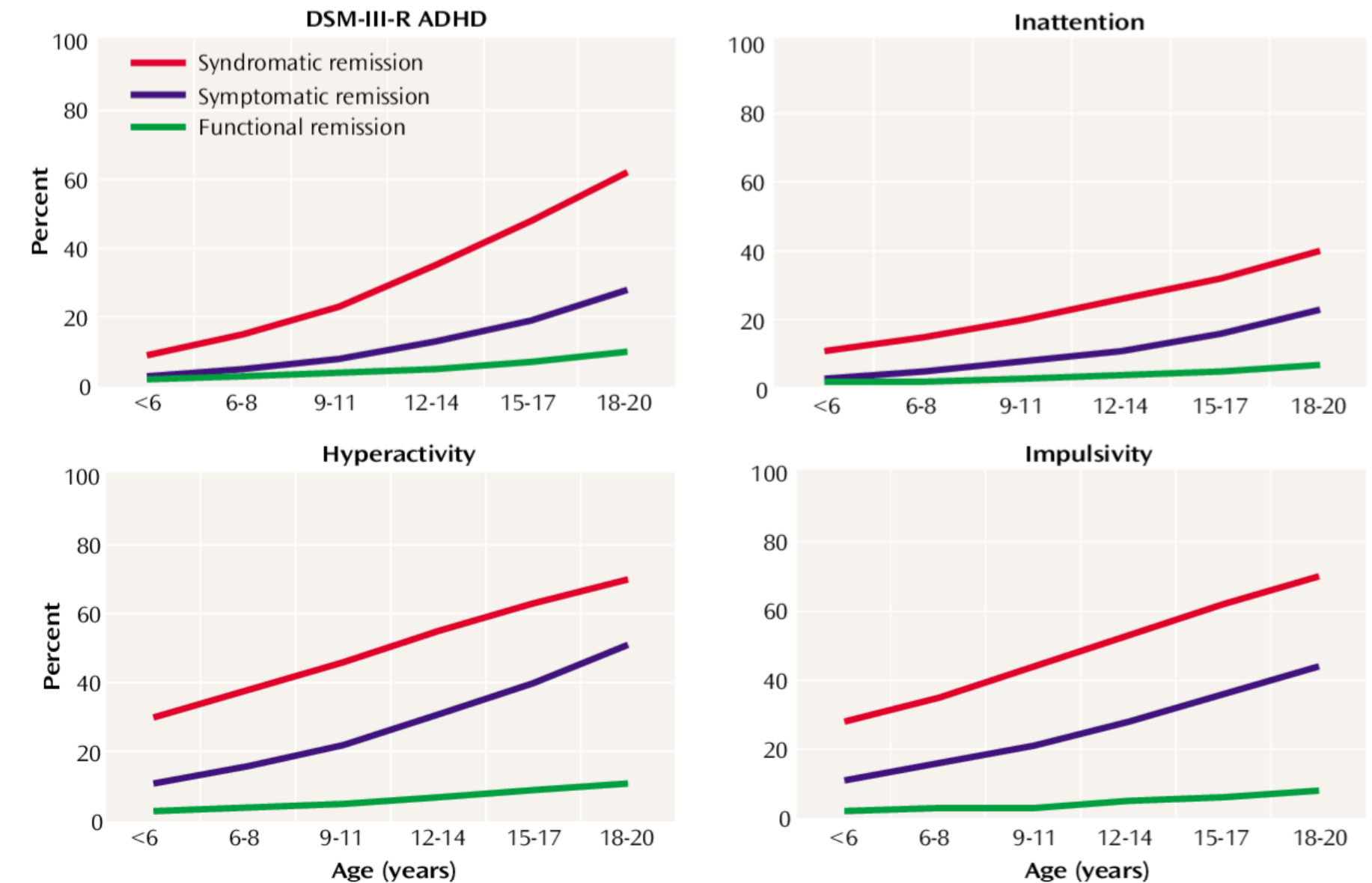
A visual report may show patterns such as:
Attention starting strong but declining as the task continues
Slower response time compared to same age peers
Inconsistent focus during longer tasks
These patterns help professionals see how attention regulation changes over time, which can be difficult to observe during a normal classroom lesson.
EARLY CLUES PARENTS AND TEACHERS CAN WATCH FOR
Spotting hidden ADHD means noticing patterns over time, not single mistakes. Here are a few subtle signs to look for:
The child needs more time than others to finish tasks.
They forget steps even after being reminded.
They seem drained or frustrated after short periods of focus.
Their grades or mood change without clear reason.
They often daydream or tune out when things get busy.
These signs don’t always point to ADHD, but they’re important signals to pay attention to.
WHAT ACTIVITY AND IMPULSE PATTERNS CAN SHOW
Another helpful visual in ADHD assessment reports focuses on activity level and impulse control.
These visual reports can highlight patterns such as:
Activity levels compared with age based norms.
Charts can show whether a child’s movement level is higher than what is typical for children the same age.
Impulse control during attention tasks.
Graphs can display how often a child responds too quickly or presses a response key when no target is present, indicating impulsive responding.
Changes in attention across the testing period.
Visual timelines can illustrate whether attention remains steady or gradually declines as the task continues.
When this information is presented through clear visuals and data comparisons, it becomes easier for parents and teachers to understand patterns that may not be obvious during everyday classroom observation.

HOW TECHNOLOGY CAN HELP MAKE THINGS CLEARER
Once the challenges are understood, small adjustments can make learning much easier.
Here are a few ideas that help:
Divide lessons into smaller parts with check-ins.
Use visual reminders for tasks and schedules.
Provide short breaks to help refocus.
Celebrate progress and small wins.
Keep communication open between home, school, and care providers.
These steps build structure and confidence without overwhelming the child.
HELPING CHILDREN FEEL SEEN AND UNDERSTOOD
Children with quiet ADHD often try their best to keep up while managing attention challenges that others cannot see. When adults take time to look beyond behavior and seek deeper understanding, those children gain the support they need to succeed.
Tools like Qbtech can provide objective insight into attention, activity level, and impulse control. Combined with professional evaluation, this information helps families and schools make informed decisions about support and accommodations.
Understanding a child’s challenges is often the first step toward unlocking their strengths.
If you would like to learn more about how objective ADHD testing works and how tools like Qbtech help bring clarity to the evaluation process, you can read our article “Qbtech: Bringing Clarity to ADHD Diagnosis.”
The Mind Center, LLC is a thought leadership mental health brand dedicated to helping parents, their children, and the schools they attend. At The Mind Center LLC, we specialize in psychoeducational evaluations and provide services designed to help children reach their full potential.
At The Mind Center, we help children access accommodations that reflect how they actually perform under testing conditions, not just what a diagnosis says on paper. For many children, that includes extended time, testing over multiple days, and additional breaks.
To see how the right documentation led to approval, read our Success Story.
If you are navigating accommodations for college entrance or standardized exams, our College Testing page explains what testing agencies look for and how families can prepare.
When testing clearly shows functional impact, accommodations can open the door to fair access and real opportunity.
The Mind Center, LLC is a thought leadership mental health brand dedicated to helping parents, their kids, and the schools they attend. At The Mind Center LLC, we specialize in psycho-educational evaluations and offer a range of services to support children. Contact us today.